Created from lived experience

See the child before the behavior.

Three visual autism support tools for the moments when understanding matters most: school, first response, and emergency care.

Available in paperback through Amazon.

Three settings. One purpose.
Come On, Rocco, It’s Time for School book coverCome On, Let’s Find Rocco book coverCome On, Rocco, Let’s Go to the Hospital book cover
Visual first

Clear support before words become a barrier.

Child centered

Understanding the person before interpreting the behavior.

Real world

Created from lived experience for the moments that matter.

Choose the setting

Choose the support tool you need.

Every setting is different. Each resource offers visual support designed for that moment.

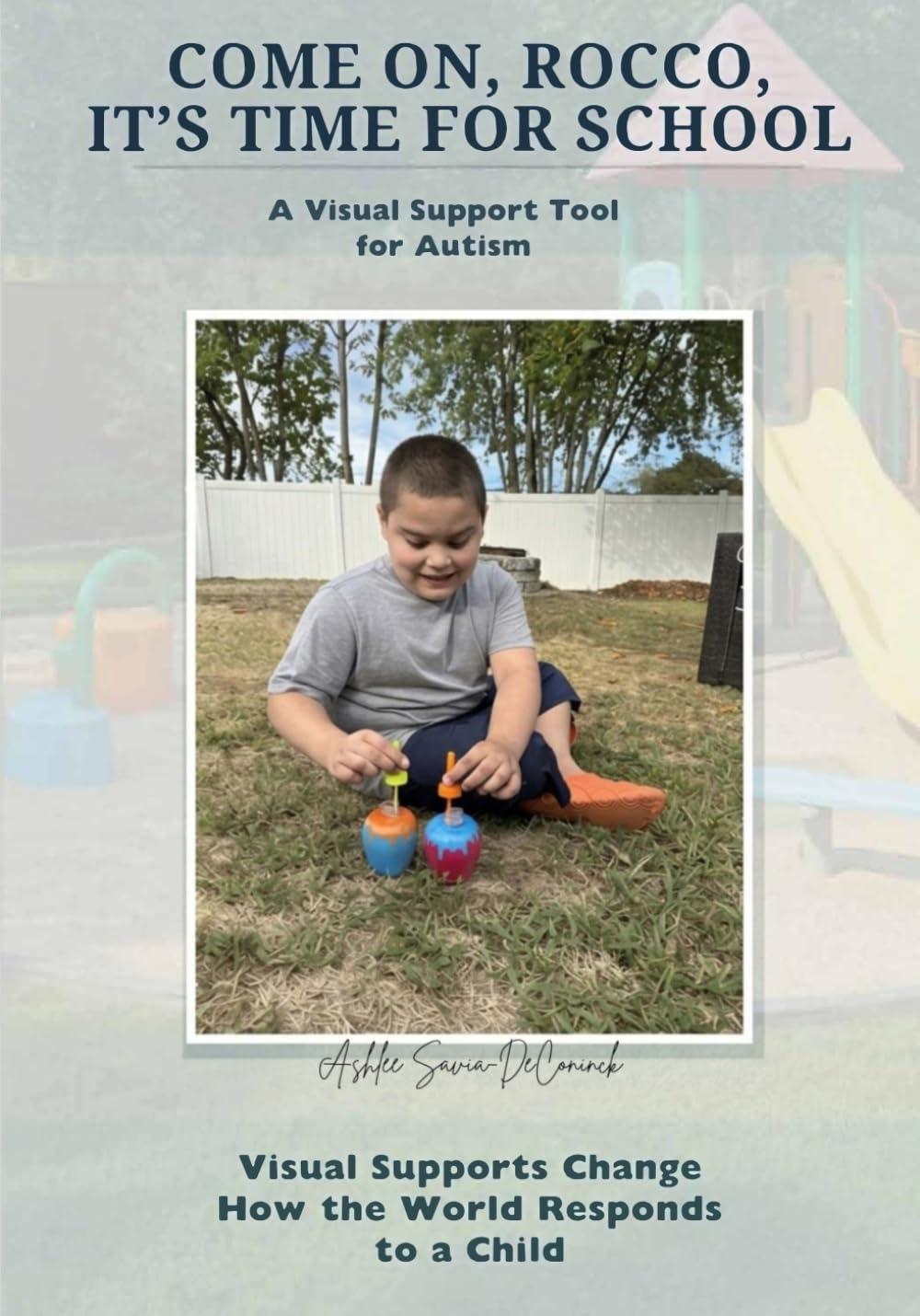
Come On, Rocco, It’s Time for School book cover

School & daily support

Come On, Rocco, It’s Time for School

Visual support for communication, regulation, transitions, safety, and stronger collaboration across home and school.

View on Amazon
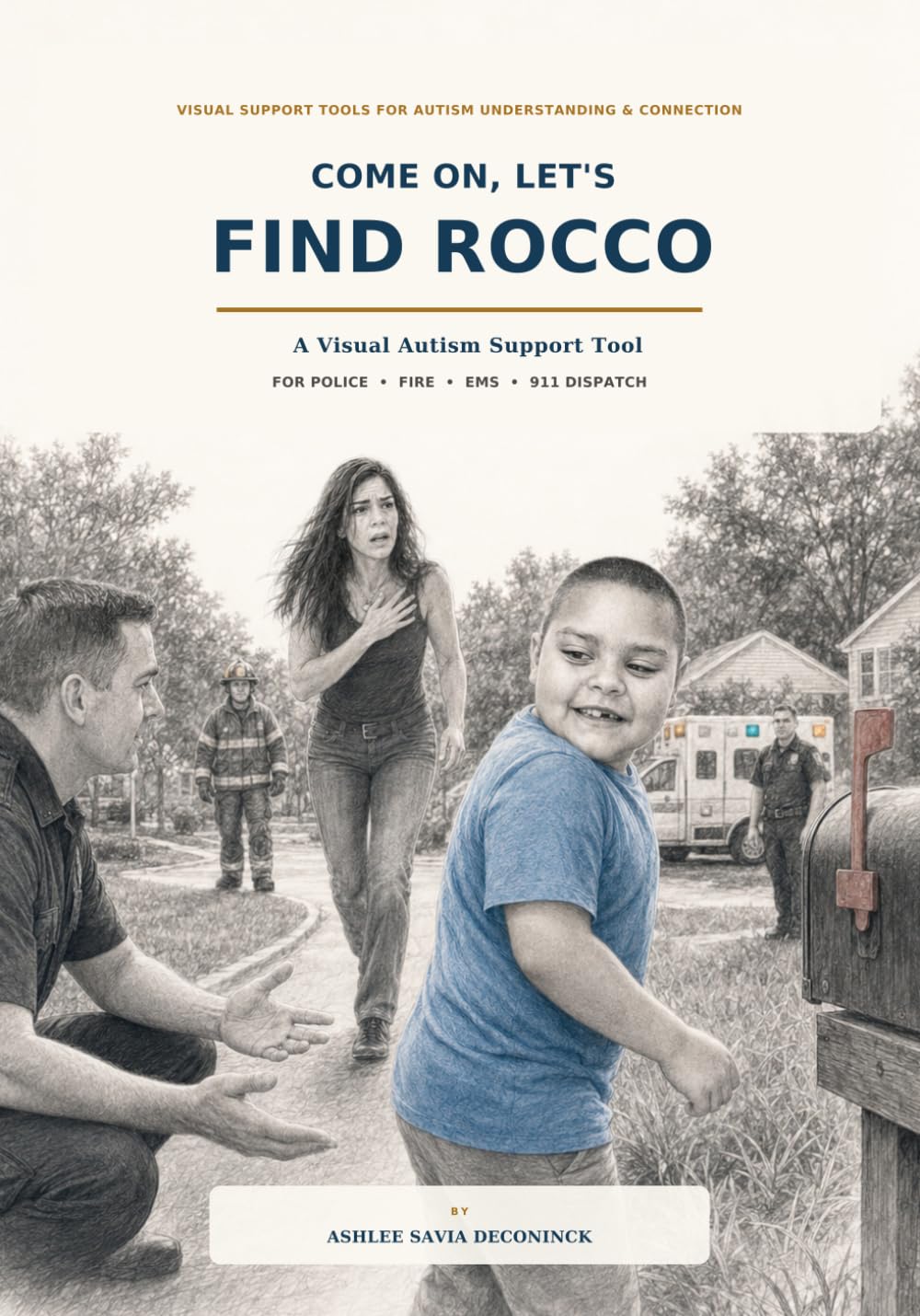
Come On, Let’s Find Rocco book cover

Police, fire, EMS & 911

Come On, Let’s Find Rocco

Created from a real elopement to support safer searching, approaching, communication, and reunification.

View on Amazon
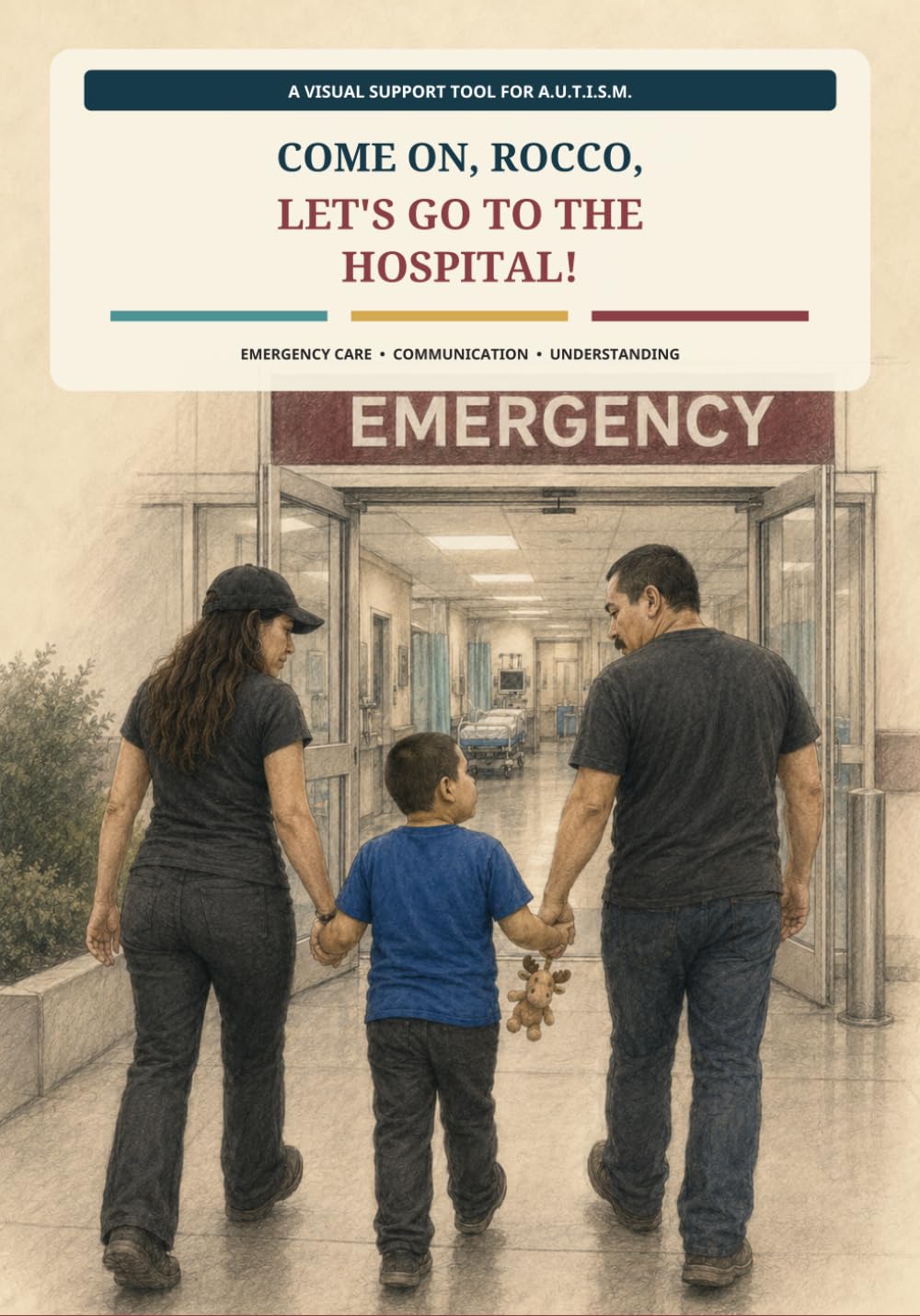
Come On, Rocco, Let’s Go to the Hospital book cover

Emergency & clinical care

Come On, Rocco, Let’s Go to the Hospital

Visual preparation and communication support for sensory overload, fear, and unfamiliar medical encounters.

View on Amazon

Recognition & response

The work is reaching beyond the living room where it began.

These words reflect acknowledgment, publication, and professional response. They are presented with their original context and do not imply endorsement, clinical validation, or adoption.

“Your efforts to turn personal challenges into guidance for caregivers and educators reflect compassion, purpose, and leadership.”

Formal White House correspondence, January 27, 2026

“It looks like you have developed an outstanding program!”

Written response from state police training leadership after review

“Your love and dedication to helping others better understand individuals with ASD is inspiring.”

Written response from a national autism foundation

Published journey

Exceptional Parent Magazine

“What It’s Like Being the ‘Regular Mom’ Trying to Create Real Change” appeared in the April 2026 Autism Annual Issue.

Community response

“Clinical bridge”

A local pediatric practice used this phrase during an in-person review of the school resource.
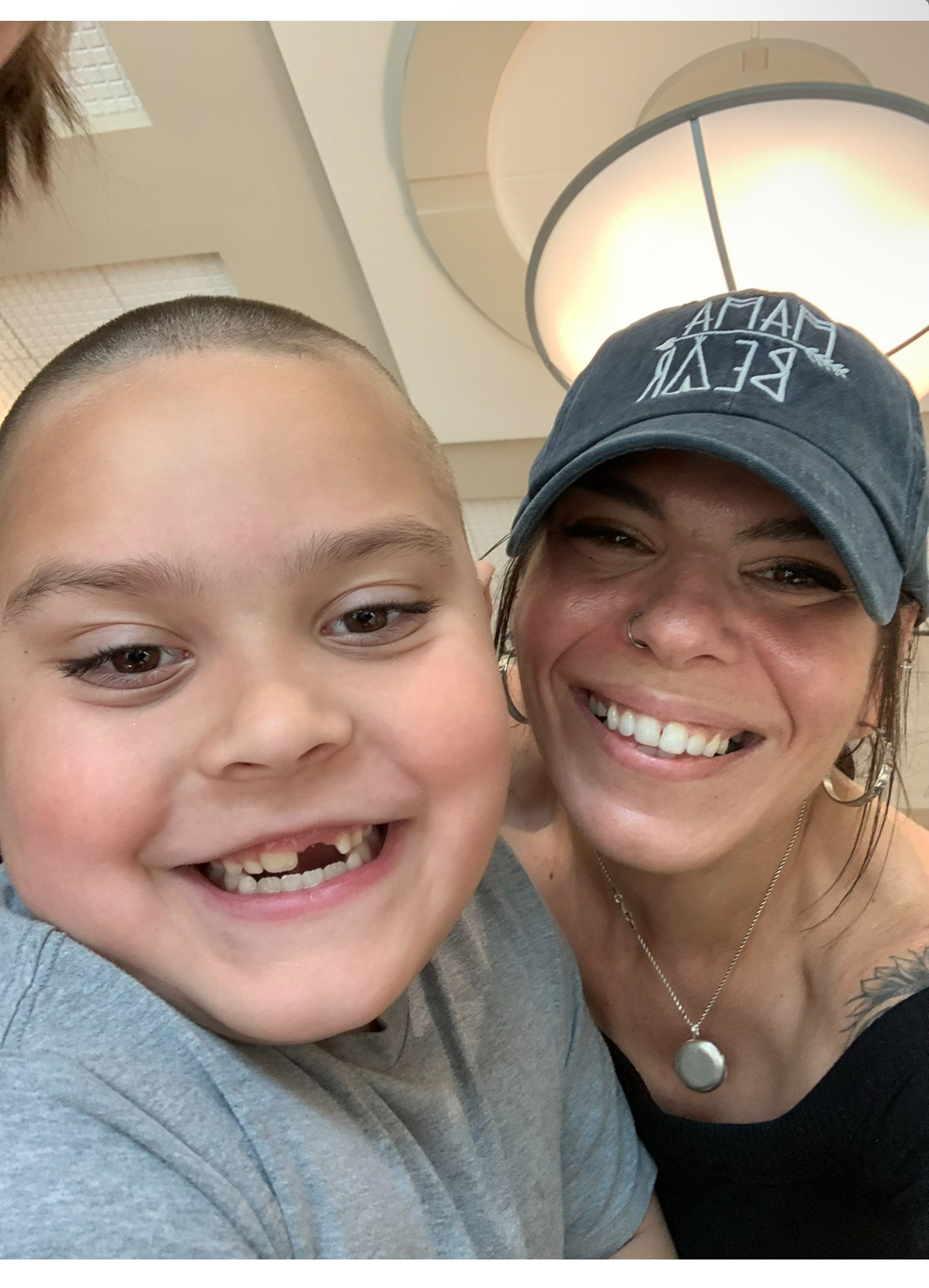
Ashlee Savia DeConinck smiling with her son Rocco
Ashlee and Rocco

Behind the tools

Created by Ashlee Savia DeConinck

Ashlee Savia DeConinck is a mother, autism advocate, and creator of Visual Support Tools for Autism. Her work began with a personal question: how could she help the adults around her nonverbal son, Rocco, better understand what he could not always communicate?

Rocco has higher support needs, limited danger awareness, and a history of elopement. His experiences showed Ashlee that even caring adults may understand the same child differently, and that in critical moments, misunderstanding can affect safety, regulation, and dignity.

Ashlee created the kind of practical visual support she had been searching for. The original school resource is designed to be reviewed in about twenty minutes, and the collection now extends the same child centered approach to first response and emergency care. The tools complement professional training, policy, clinical judgment, and individualized care.

Created entirely from lived experience, the collection helps the adults responsible for a child’s well being build a clearer, more consistent understanding across home, school, transportation, clinical, community, and emergency settings.

Ashlee’s autism advocacy has been acknowledged in formal White House correspondence. Her family’s journey was published in the April 2026 Autism Annual Issue of Exceptional Parent Magazine, and her original resource was featured in an ABA Toolbox community spotlight. These milestones reflect acknowledgment and reach, not accreditation, endorsement, or clinical validation.

Her work exists for one reason: when adults share a clearer understanding, children with autism who have higher support needs are safer, better supported, and more fully understood.

Explore Ashlee’s books